
Creating a Calming and Supportive Veterinary Practice Environment for Team Retention
Veterinary practices face unique challenges when it comes to keeping their teams motivated and committed. The fast pace, emotional demands, and constant pressure can lead to burnout and turnover. Creating a space where team members want to stay requires more than just good pay or benefits. It calls for a thoughtful approach to reducing tension, building support systems, and fostering clear communication. This post explores practical ways to design a calming and supportive environment that helps your veterinary team thrive.
Using Central Nervous System Calming Techniques to Reduce Tension
Veterinary work often involves moving quickly between stressful situations, from handling anxious animals to managing worried clients. This can cause team members’ nervous systems to stay on high alert, increasing stress and fatigue. Introducing calming techniques that target the central nervous system (CNS) can help staff reset between appointments.
Some effective CNS calming methods include:
Deep breathing exercises: Encourage team members to take slow, deep breaths during short breaks. This activates the parasympathetic nervous system, lowering heart rate and reducing anxiety.
Mindfulness moments: Brief mindfulness practices, such as focusing on the present or using grounding techniques, can help staff regain focus and calm.
Gentle stretches: Simple neck and shoulder stretches relieve physical tension that builds up during long shifts.
Quiet zones: Designate a small, peaceful area where team members can step away for a few minutes to decompress.
By integrating these techniques into daily routines, your team can manage their own tension more effectively, leading to better focus and less burnout.
Developing Protocols That Build a Support Network
A veterinary practice thrives when its team members feel supported by one another. Creating clear protocols that encourage collaboration and mutual assistance strengthens this support network.
Consider these steps:
Buddy systems: Pair team members to check in on each other throughout the day. This encourages accountability and emotional support.
Shift handover protocols: Develop structured handovers that include sharing updates on patient care and team wellbeing, so no one feels isolated or overwhelmed.
Regular team check-ins: Schedule brief meetings where staff can voice concerns, share successes, and offer help.
Conflict resolution guidelines: Establish clear steps for addressing disagreements respectfully and promptly, preventing tension from escalating.
These protocols create a culture where team members know they are not alone and can rely on each other during challenging moments.
Training the Team on Protocols and Creating Clear Manuals
Protocols only work if everyone understands and follows them. Training is essential to ensure consistency and confidence across the team.
Key training practices include:
Hands-on workshops: Use role-playing and simulations to practice new protocols in realistic scenarios.
Written manuals: Provide clear, accessible manuals that outline procedures step-by-step. Include visuals or flowcharts for clarity.
Regular refreshers: Schedule periodic training sessions to review protocols and update them as needed.
Feedback loops: Encourage team members to suggest improvements based on their experiences, making protocols more practical and inclusive.
Clear training reduces confusion and builds trust in the systems designed to support the team.
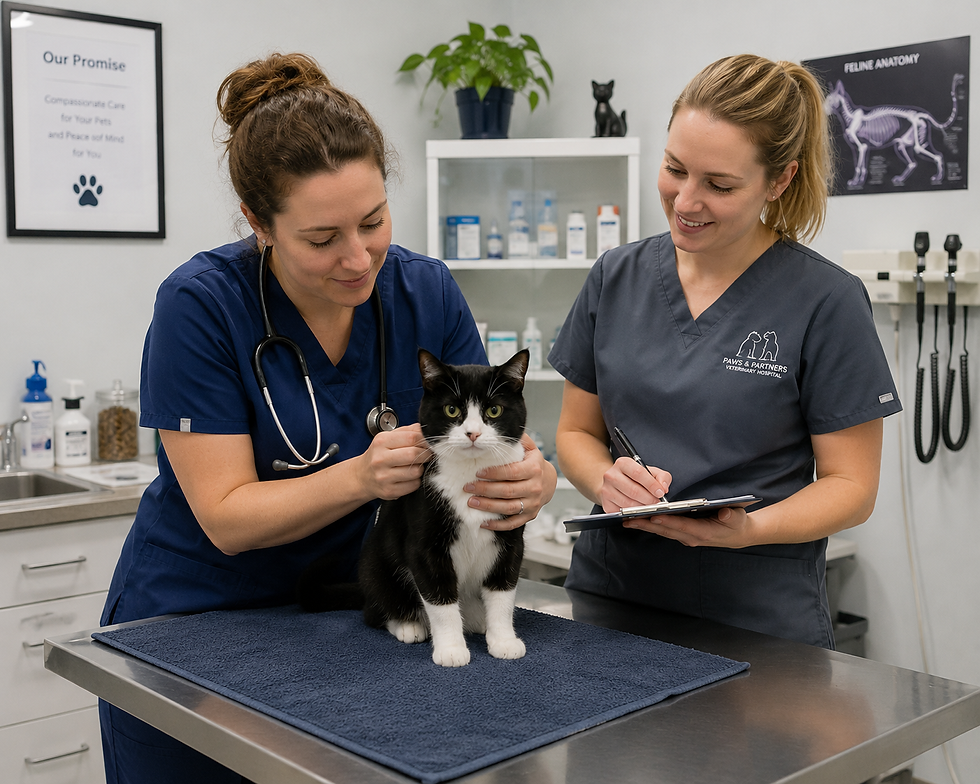
Fostering a Collaborative Environment
A collaborative environment encourages open communication and shared responsibility. This atmosphere helps team members feel valued and connected.
Ways to foster collaboration include:
Open communication channels: Use team messaging apps or bulletin boards to share updates and celebrate achievements.
Inclusive decision-making: Involve staff in decisions that affect their work, such as scheduling or protocol changes.
Cross-training: Teach team members multiple roles to build flexibility and understanding of each other’s challenges.
Team-building activities: Organize social events or group projects that strengthen relationships outside of work tasks.
Collaboration reduces isolation and builds a sense of belonging, which is crucial for retention.
Building Support Systems Within the Practice
Support systems go beyond protocols and training. They include emotional and practical resources that help team members cope with the demands of veterinary work.
Examples of support systems:
Peer support groups: Create spaces where staff can share experiences and coping strategies confidentially.
Access to counseling: Provide information about mental health resources or offer onsite counseling sessions.
Recognition programs: Regularly acknowledge hard work and milestones to boost morale.
Flexible scheduling: Allow for shift swaps or time off to accommodate personal needs and prevent burnout.
These systems show that the practice cares about the whole person, not just their job performance.
Encouraging Open Communication
Open communication is the foundation of a healthy work environment. It allows issues to surface early and fosters trust.
Tips for encouraging open communication:
Lead by example: Practice transparency and active listening as a manager or team leader.
Safe spaces: Create forums where team members can speak honestly without fear of judgment or retaliation.
Regular feedback: Offer constructive feedback and invite it in return to improve processes and relationships.
Clear expectations: Communicate roles, responsibilities, and goals clearly to avoid misunderstandings.
When communication flows freely, the team can address challenges together and maintain a positive atmosphere.
Final thoughts
Creating a veterinary practice environment that supports and calms your team requires intentional effort. Continue developing supportive protocols, providing thorough training, fostering collaboration, building support systems, and encouraging open communication. This investment not only improves staff wellbeing but also enhances patient care and practice success.
When we invest in the wellbeing of our veterinary team, we are not just reducing burnout. We are building a practice where people want to stay, patients feel safe, and the work we love becomes sustainable.
We are worth it- Heather Daly CVT


Comments